







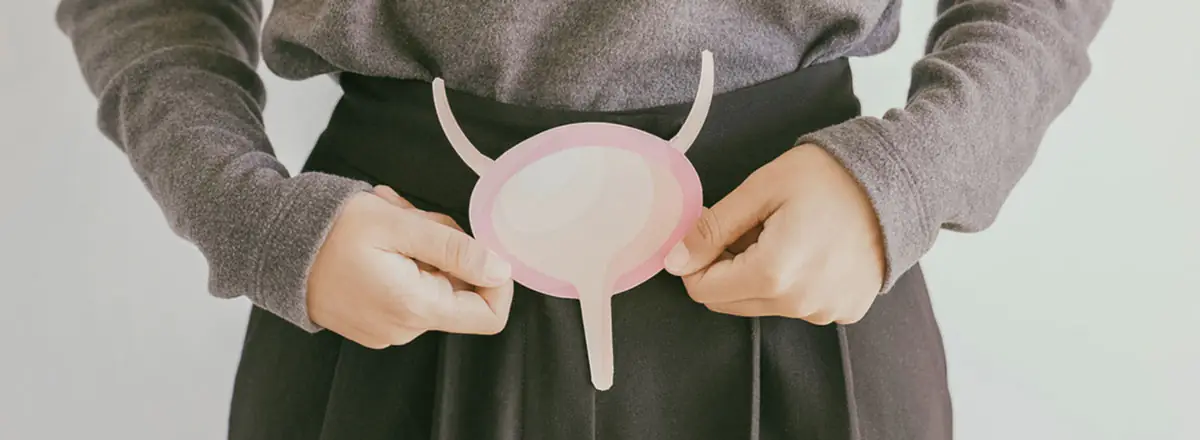

Urinary incontinence is nothing to be ashamed of
Urinary incontinence is characterized by the involuntary loss of urine. It can affect individuals of all ages, both sexes and all social and economic levels. However, the condition mostly affects the female population, because the urethra (the channel through which urine passes) is shorter and the pelvic floor muscles are weaker to support its structure. It usually affects 45% of women and 15% of men over the age of 40, according to the Brazilian Society of Urology.
Although it is common, it is not normal and it can be treated. To help you understand better, we've prepared some essential information on the subject. Check it out!
According to the Brazilian Society of Urology (SBU), there are three types of urinary incontinence:
. On exertion: loss of urine when coughing, laughing or exercising;
. Urgency: occurs when the urge to urinate is very intense and fast, making it impossible to get to the toilet in time;
. Mixed: a combination of the two previous types.
Urinary incontinence is an uncomfortable and unpleasant dysfunction that can have a number of causes. But in the case of the elderly, the changes in the body brought about by age favor the problem. Weakening of the bladder muscles, obesity, weakening of the pelvic muscles (in the case of women) and an enlarged prostate (in the case of men) are among the main causes - as well as the use of diuretic medication, cognitive disorders and difficulty moving around.
It's also important to note that, according to the SBU, 30% of people who suffer from this condition end up developing depression and anxiety. This diagnosis is caused by a lack of control over one's own body, leading to isolation due to the embarrassment of an unforeseen event happening in public. The result is that these patients stop doing common everyday activities and thus lose quality of life, which is so essential in the maturing process.
Therefore, when you notice signs such as pain and/or burning when urinating, higher or lower urine volume than normal, altered color or odor, fever, leaking during the day or night and bloody urine, don't hesitate to seek professional help.
The best way to prevent the disease is to take care of the risk factors: controlling weight, strengthening the muscles of the pelvis and controlling diabetes, as well as reducing consumption of alcoholic drinks, cigarettes, drinks high in sugar and caffeine and foods that have a diuretic effect.
Don't suffer in silence. Seek medical attention from a urologist if you experience the symptoms described above.
Sources:
https://portaldaurologia.org.br/publico/doencas/incontinencia-urinaria/#:~:text=Na%20popula%C3%A7%C3%A3o%20de%20pessoas%20entre,homens%20e%2036%25%20nas%20mulheres
Urinary incontinence affects the lives of more than 10 million people in the country
https://portaldaurologia.org.br/medicos/noticias/sbu-alerta-sobre-incontinencia-urinaria/
https://saberdasaude.com.br/blog/article/dados-sobre-incontinencia-urinaria-no-brasil-durante-a-pandemia
https://www.gov.br/saude/pt-br/assuntos/protocolos-clinicos-e-diretrizes-terapeuticas-pcdt/arquivos/2020/portaria-conjunta-pcdt-incontinencia-urinaria-nn-13-01-2020.pdf
https://portaldaurologia.org.br/publico/doencas/incontinencia-urinaria/#:~:text=Na%20popula%C3%A7%C3%A3o%20de%20pessoas%20entre,homens%20e%2036%25%20nas%20mulheres
Urinary incontinence affects the lives of more than 10 million people in the country
https://portaldaurologia.org.br/medicos/noticias/sbu-alerta-sobre-incontinencia-urinaria/
https://saberdasaude.com.br/blog/article/dados-sobre-incontinencia-urinaria-no-brasil-durante-a-pandemia
https://www.gov.br/saude/pt-br/assuntos/protocolos-clinicos-e-diretrizes-terapeuticas-pcdt/arquivos/2020/portaria-conjunta-pcdt-incontinencia-urinaria-nn-13-01-2020.pdf