







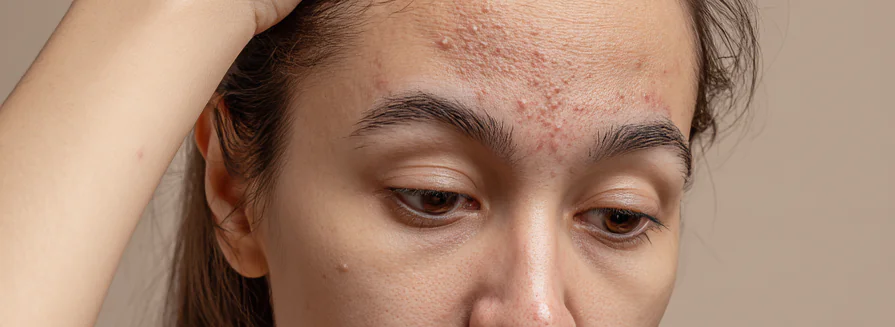

How do emotions affect skin health?
Have you ever had the feeling that your skin "reacts" to your feelings? A moment of tension that ends in an acne breakout, a phase of anxiety that coincides with the worsening of psoriasis, or an insistent itch on emotionally difficult days. This is not just an impression: there is a direct connection between what we feel and what the skin expresses.
Science has proven that intense emotions - especially negative ones such as stress, sadness or fear - can act as triggers for the appearance, recurrence or worsening of various dermatological diseases. But how exactly does this happen?
The skin is a reflection of the mind
The skin is not only the largest organ of the human body - it is also a direct interface between the external world and our internal universe. In stressful situations, for example, the body goes into a state of alert and releases substances such as cortisol. When in excess, this hormone, which is essential for adapting to stress, can unbalance the immune system and affect the skin barrier, making the skin more sensitive and reactive.
According to a study published in the journal Brazilian Journal of Implantology and Health SciencesChronic psychological stress compromises the skin's defense function and causes changes that favor the skin:
- the appearance of inflammation;
- increased skin oiliness and acne;
- the appearance of itching and allergic reactions;
- worsening of chronic conditions such as psoriasis, atopic dermatitis and rosacea.
Emotions can trigger skin diseases
Several dermatological diseases are directly associated with patients' emotional state. Among those most affected by psychological factors are the following:
- psoriasis: considered an autoimmune inflammatory disease, psoriasis usually worsens during times of increased stress and anxiety. The very cycle of discomfort with one's appearance can reinforce the emotional state and generate a vicious circle;
- atopic dermatitis: seizures are often triggered by episodes of emotional stress;
- emotional urticaria: without an apparent allergic origin, is strongly related to states of anguish, fear or stress;
- acne: hormonal changes caused by stress increase sebum production and promote inflammation of the sebaceous glands.
This data reinforces what the scientific literature points out: the skin doesn't get sick on its own. There is a direct communication pathway between the brain, immune system, hormones and skin - the so-called psychoneuroimmunoendocrine axis.
How to protect your skin from emotional impact?
Taking care of your emotional health is a gesture of self-care that is also reflected in your skin. Some attitudes can help:
- respect your limits: breaks and moments of rest reduce the impact of stress on the body;
- adopt a self-care routine: gentle cleansing, moisturizing and daily photoprotection help to keep the skin balanced;
- invest in mental health: Psychotherapy, mindfulness and meditation are valuable tools for managing stress;
- look for an integrated approach: dermatologists and psychologists can work together for more effective and lasting results.
Recognizing the influence of emotions on skin health is a fundamental step towards a more conscious and efficient skincare routine. Biolab is at your side in this process, with a portfolio which brings together innovation in dermatology and solutions for balancing the central nervous system in order to promote well-being from the inside out.
Source:
https://bjihs.emnuvens.com.br/bjihs/article/download/4375/4387/9574