








Early diagnosis is the answer to sepsis
Sepsis is one of the main causes of preventable death in the world, affecting 1 in 5 people. Known as a "generalized infection", it causes 11 million deaths a year, according to data from the Brazilian Society of Infectious Diseases (SBI), and in Brazil, sepsis is the main cause of death in hospitals.
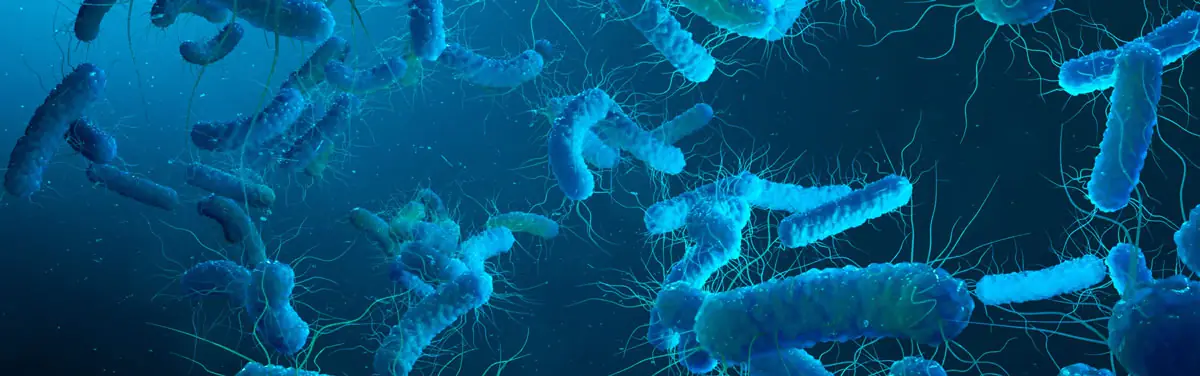
Infectious agents such as bacteria, viruses or fungi cause sepsis. The infection can start anywhere in the body, such as the lungs or even the skin. When these micro-organisms enter the bloodstream, the organs have to work with reduced functions, as they receive less oxygen. If not combated, it can progress to septic shock, the most advanced stage of sepsis, and consequently death if not treated in time.
Although this condition can affect anyone of different ages, there are groups at risk, such as premature babies and children under one year old, the elderly and patients facing illnesses and treatments that compromise the immune system, those with chronic illnesses, transplant patients or hospitalized patients who use antibiotics.
Another figure from the Brazilian Society of Infectious Diseases (SBI) reveals that around 670,000 people are diagnosed with sepsis every year in Brazil, 240,000 of whom end up dying. And yet, more than 80% of Brazilians are unaware of the disease, according to a Datafolha survey carried out in 2017 at the request of the Latin American Sepsis Institute (ILAS).
As there are no specific tests to diagnose this disease, very well-established criteria are used, and it is diagnosed based on the evaluation of symptoms associated with the results of blood tests and urine collections, among other tests. It is therefore essential to go to the emergency room so that a doctor can assess your condition and start the appropriate treatment. Sepsis and septic shock are medical emergencies that require full attention and the patient must be treated immediately.
Curiosity: With the importance of this issue for the world's population in mind, in 2012 the Global Sepsis Alliance proposed World Sepsis Day (WDS), which is remembered annually on September 13. In Brazil, the Latin American Sepsis Institute (ILAS) coordinates awareness actions. The campaigns are aimed at both health professionals and the general public.
It is important to note that the infections that cause sepsis are not only acquired in hospitals. Therefore, care must be taken in any environment!
Wash your hands and wrists with soap when you come in from the street or when you visit sick people, keep your vaccination card up to date and don't treat yourself, especially with antibiotics, because bacteria can become resistant to the antibiotics available, which means that treatment options are exhausted in cases of real need. If in doubt, consult your doctor.
Pay attention to your body's signals!
Sources: