








How is your vitamin D level?
Modern lifestyles make it more difficult to maintain adequate vitamin D levels. This is because, among other reasons, the hustle and bustle of everyday life makes it difficult to get enough sun exposure.
But do you know what the relationship is between the sun and vitamin D? Although it's usually called vitamin D, it's actually a hormone, cholecalciferol, which is produced by the body. It can be obtained through food, but around 90% of vitamin D is obtained through skin synthesis. This is where the role of the sun comes in: when we are exposed to the sun's rays (UVB), in contact with the skin, they are responsible for activating the production of the hormone in our bodies.
According to a study in the American Journal of Clinical Nutrition, it is estimated that around 1 billion people worldwide have a deficiency or insufficiency of vitamin D in their bodies. This is a serious problem, as its insufficiency has a direct impact on the muscular, bone and immune systems. This vitamin facilitates the absorption of calcium, helping to form and maintain bones and teeth. Its action also extends to the muscular system and the immune response.
Although vitamin D deficiency is a general problem, there are more vulnerable groups, including people with limited sun exposure, the elderly over 60, people who are obese or suffer from malabsorption syndromes in the digestive tract, osteoporosis sufferers, pregnant women, diabetics, cancer patients, autoimmune diseases, chronic kidney disease and liver failure sufferers.
A lack of this vitamin can cause a number of problems, including muscle pain, weakness and bone pain, as well as triggering depression. But most people don't show any symptoms, especially at first. That's why it's essential to keep an eye on your body's vitamin D levels by going to the doctor regularly and having routine check-ups.
Here are some tips to help you maintain good levels of this important hormone:
. Five to ten minutes of sun exposure a day, outside the hours of intense sun exposure, such as legs, back, belly, or even palms and soles.
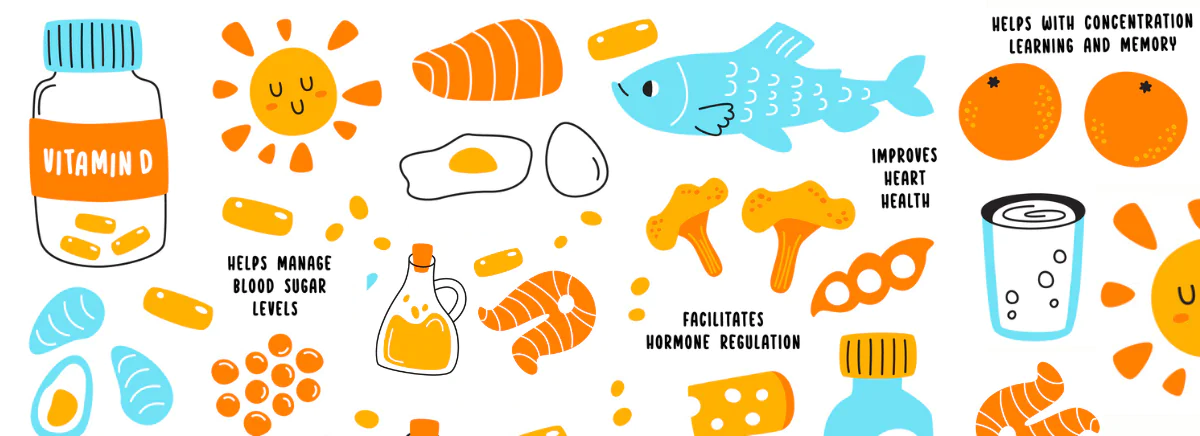
. Include foods on your menu that provide this nutrient, such as saltwater fish like sardines and salmon, red meat, milk, eggs, nuts and walnuts, beans, kale, spinach and mushrooms.
A healthier lifestyle, especially when combined with supplementation, can ensure good levels of vitamin D in the body, avoiding negative impacts due to deficiency. The introduction of any supplement into the diet should be monitored by a health professional.
Take advantage of the sunniest time of the year to expose yourself to the sun responsibly. The Brazilian Society of Dermatology recommends attitudes that minimize the intensity of exposure to the sun, such as avoiding exposure at times when solar radiation is most intense (10 am to 3 pm), wearing clothing and hats that protect against direct sunlight and, on uncovered areas of the skin, using sunscreen.
Talk to a doctor you trust and include new habits in your routine.
Sources: