








From childhood to adolescence, the role of physical exercise in healthy growth
When it comes to children's health, it's natural that many doubts arise - and physical activity is among the most common. After all, is there the right sport for every age? What about bodybuilding - can you start practicing it early or is it too early?
These issues are increasingly present in the daily lives of parents and guardians who want to ensure the best for the healthy growth of children and adolescents. With this in mind, the Brazilian Society of Pediatrics (SBP) recently launched a document to guide families and health professionals on the care and benefits of practicing physical exercise from an early age.
Bodybuilding in childhood and adolescence
One of the biggest concerns is resistance training, such as bodybuilding. For a long time, it was believed that these practices could impair growth or compromise the bone health of children and adolescents. However, the current scientific consensus is that both childhood and adolescence are important periods for bone modeling and remodeling. When properly guided, weight training not only doesn't hinder a child's growth, it also brings benefits to motor development, self-esteem and psychological well-being.
According to the SBP, these activities can be started from the age of 8, using free weights of up to 15 kg, for up to 30 minutes, no more than 3 times a week. It is essential that there is professional supervision and that the training is combined with aerobic exercise, such as running, cycling or treadmills.
As with any physical activity, when done inappropriately or without respect for age, state of health and level of development, it can bring risks. These include fractures, tendonitis, scoliosis and even menstrual changes in adolescents. This is why professional supervision and attention to medical recommendations are essential.
Recommendations of the Brazilian Society of Pediatrics
- From 0 to 2 years old: children who are already walking should remain active every day for at least 180 minutes, in light activities (such as crawling, rolling and playing) or more energetic ones (such as jumping, running, skipping). Screen time should be zero.
- From 3 to 5 years old: the child should accumulate at least 180 minutes of physical activity throughout the day, which can include active games, cycling, water play and ball sports.
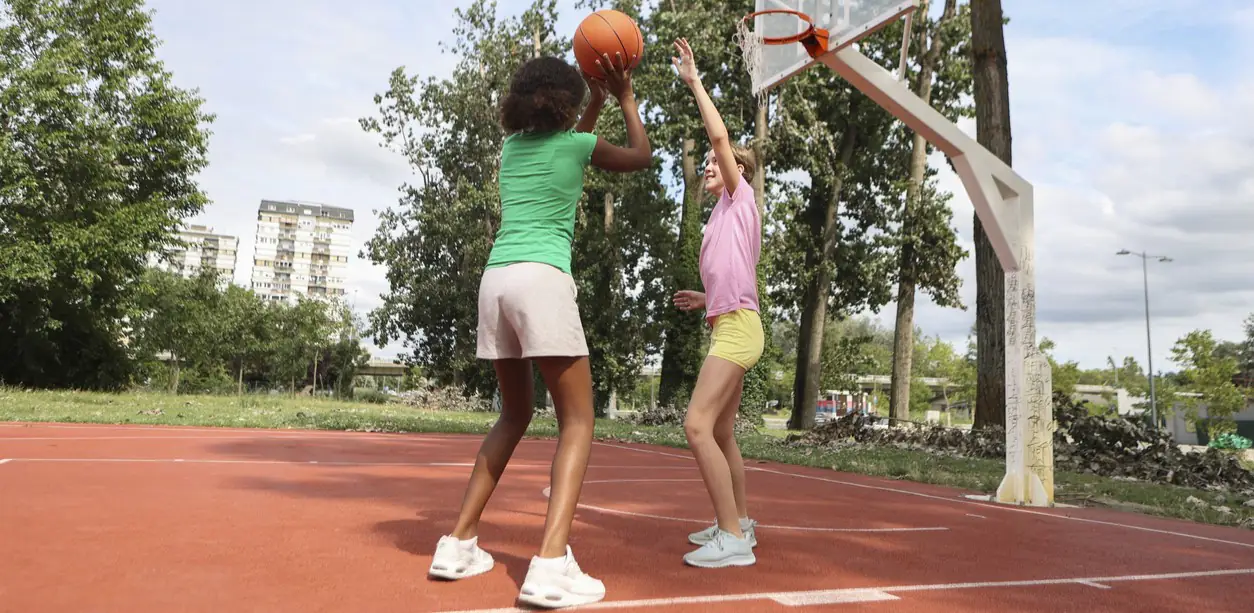
- From 6 to 19 years old: it is necessary to practice at least 60 minutes of moderate to vigorous physical activity a day, such as cycling, swimming, running and playing in the gym. Muscle and bone strengthening activities, as well as flexibility exercises, should be included at least 3 times a week.
A physical activityWhen it respects each stage of development, it is a powerful tool for promoting health, well-being and quality of life. More than physical care, it also supports the emotional and social balance of children and adolescents. That's why encouraging movement from an early age is an investment in present and future health.
Source: https://www.sbp.com.br/imprensa/detalhe/news/criancas-e-adolescentes-podem-fazer-musculacao-pediatras-explicam-os-impactos-das-atividades-fisica/
https://www.sbp.com.br/fileadmin/user_upload/sbp/2025/maio/12/24845d-DC_-_Impacto_esporte_e_AtiviFisica_sobre_crescim_e_desenvol.pdf