







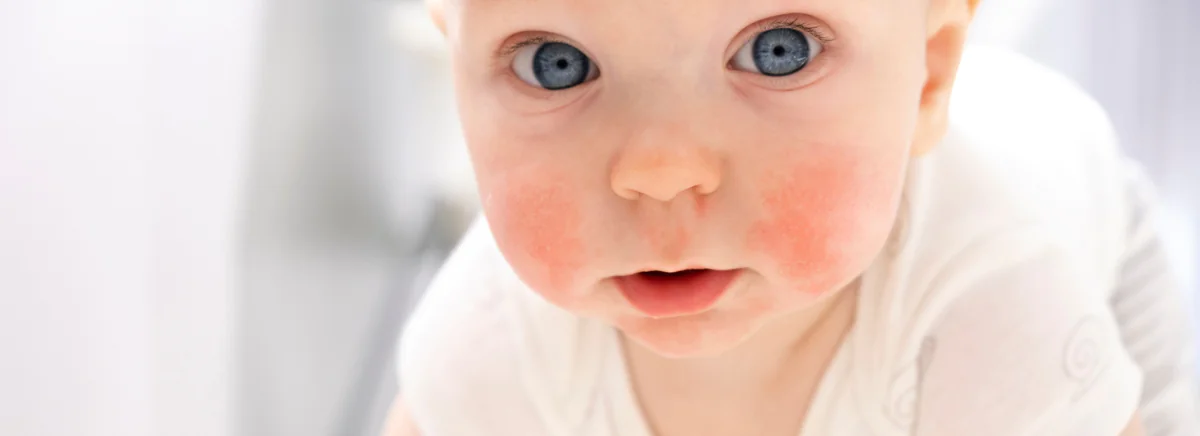

Childhood atopic dermatitis is a wake-up call for parents
Dry skin and itching are the main characteristics of atopic dermatitis, a chronic inflammatory condition that affects around 20% of children in the first year of life, according to the Brazilian Association of Allergy and Immunology (ASBAI). The onset of the non-contagious disease usually occurs in the first year of life and remains intense until the age of five, with periods of improvement and worsening. In children and babies, atopic dermatitis usually occurs on the elbows, face or knees and possibly other areas of the body. In older children, the lesions are located in the folds of the body, such as the neck, elbows, behind the knees, hands and ankles. These are drier, darker and thicker areas and, in more severe cases, can affect a large part of the body.
Atopic dermatitis has a genetic origin, i.e. it is not transmitted by contact. However, since it is a chronic disease, various factors can trigger spontaneous flare-ups, such as perfumed substances, wool and synthetic fiber clothing, long baths with hot water, emotional stress, environmental pollution, temperature changes, food and infections.
The exact cause of the disease is still unknown, but doctors believe that a combination of dry, irritable skin and a malfunction in the body's immune system are among the most likely causes. However, dry skin itself causes itching. When the child scratches, it allows irritants to enter, which can trigger new flare-ups or even worsen pre-existing lesions. This cycle of itching, lesions and itching is often a long one and affects children's quality of life, causing sleep problems and irritability.
Atopic skin is always very dry, so it's important to take care when bathing to reduce dryness, such as avoiding the use of soaps, loofahs and very hot water. The daily use of body moisturizers to control atopic dermatitis is essential for relieving symptoms and reducing the number of flare-ups. In addition, keeping the environment clean and airy contributes to effective treatment.
Once you've recognized the signs, it's essential to see a dermatologist to start the right treatment. To prevent any flare-ups, here are some tips that may help:
. Bathing should be quick and limited to once a day, as too much can remove the skin's natural moisture.
. Prefer soaps and moisturizers for sensitive skin and hypoallergenic.
. Opt for cotton clothes, even for the school uniform ? because they are soft and light, they help the skin not to get too hot.
. Try to wash your child's clothes with liquid soap, without softener, and double rinse at the end ? this way you can avoid any product residue.
. Cut your child's nails often ? this will reduce injuries.
. Remove labels from shirts and don't forget to wash new clothes before wearing.
Sources:
https://www.spsp.org.br/2011/04/27/dermatite_atopica_ou_eczema_infantil/
https://www.sbp.com.br/especiais/pediatria-para-familias/doencas/dermatite-atopica-que-doenca-e-esta/
https://www.scielo.br/j/rprs/a/pf6NDckWfFt9RmWqnRbRqTb/?lang=pt
https://asbai.org.br/dos-20-das-criancas-com-dermatite-atopica-5-apresentam-a-forma-mais-grave-da-doenca-2/#:~:text=Cerca%20de%2020%25%20das%20crian%C3%A7as,aparece%20em%203%25%20dos%20adultos